

Cart
0
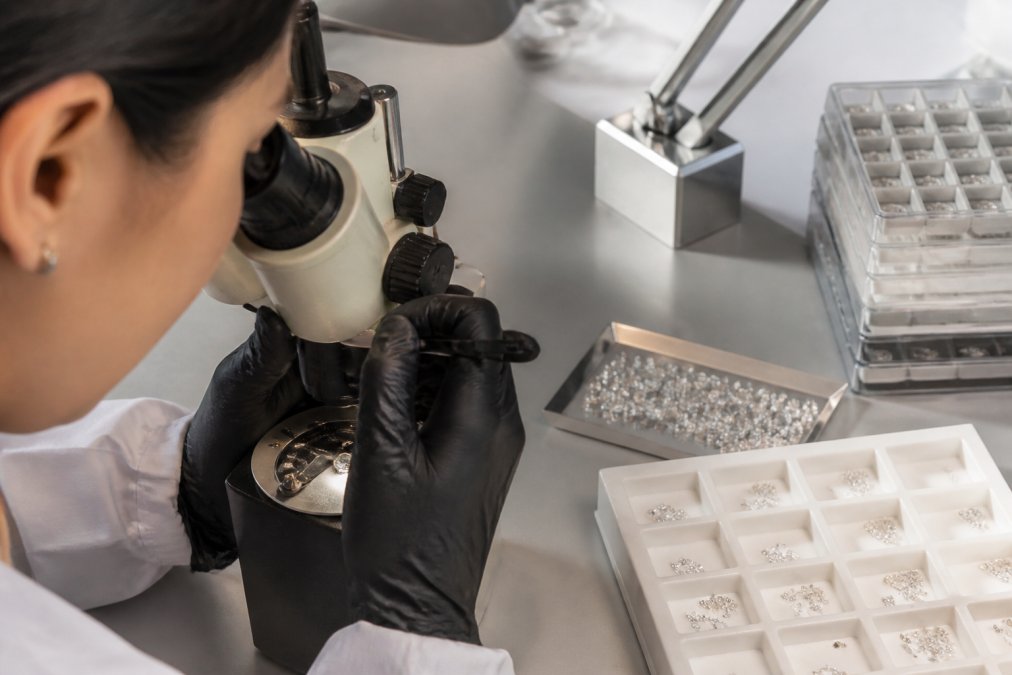
Table of Contents
- Are Lab Grown Diamonds Real Diamonds? The Definitive Answer
- Lab Grown vs. Mined Diamonds: The Only Real Differences
- How Are Lab Grown Diamonds Made? CVD and HPHT Explained
- Lab Grown Diamond Resale Value and Long-Term Worth
- Why IGI Certification for Lab Diamonds Matters
- Durability, Care, and Insurance for Your Ring
- Conclusion: Choosing a Real Diamond You Can Trust
- Frequently Asked Questions
Last Updated: September 6, 2026
Are Lab Grown Diamonds Real Diamonds? The Definitive Answer
The short answer is yes: lab grown diamonds are real diamonds, chemically, physically, and optically identical to those formed beneath the Earth's crust over billions of years. A lab grown diamond is real diamond crystal made of pure carbon arranged in the same cubic crystal lattice structure as a mined stone. In this Native Jewel guide, we will show you how to evaluate these stones with confidence and understand their true value. The difference is not in the gem itself, but in its origin story, which has profound implications for your wallet, your ethics, and your long-term satisfaction. This is the definitive truth on the subject, backed by science and the standards of the world's leading gemological laboratories.

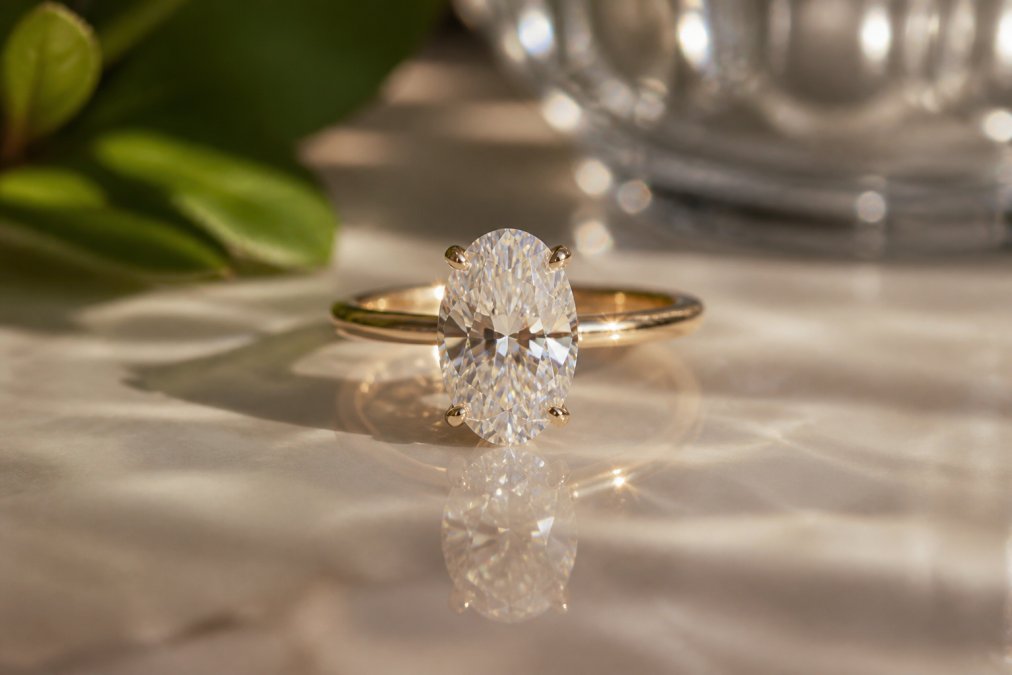
We understand the hesitation. When you hear "lab created," it is natural to wonder if you are getting a synthetic substitute like cubic zirconia or moissanite. Those are diamond simulants, materials that merely look like diamonds. Lab grown diamonds are not simulants; they are genuine diamond gemstones that pass the same tests for hardness, thermal conductivity, and refractive index as their mined counterparts. A diamond is defined by its carbon crystal structure, not its provenance. When a gemological laboratory like IGI grades a stone, it confirms the diamond's optical identity and physical properties, regardless of whether it was grown in a reactor or pulled from the ground.
Lab Grown vs. Mined Diamonds: The Only Real Differences
The only meaningful differences between lab grown and mined diamonds are their origin and their price. A mined diamond took a geological eternity to form under extreme pressure and heat. A lab grown diamond replicates that process in a matter of weeks. The result is a stone with the same hardness on the Mohs scale, the same dispersion, and the same fire. This means the only real differences are traceable origin, ethical assurance, and a significantly lower cost per carat.
For many buyers, that lower cost is the deciding factor. Because lab grown diamonds skip the expensive, complex mining supply chain, they are typically priced well below comparable mined stones of the same carat weight, cut grade, and clarity. This allows you to prioritize a larger carat weight or a higher color grade within the same budget. The trade-off to understand is resale perception, which we will address shortly.
The 4 Cs, Grading, and Certificates
Lab grown diamonds are graded using the exact same 4 Cs as mined diamonds: carat weight, cut grade, color clarity, and clarity. There is no separate, inferior grading scale for them. Reputable gemological laboratories, such as the International Gemological Institute (IGI), issue certification reports for lab grown diamonds that detail these precise characteristics, confirming the stone's quality and authenticity.
This independent grading is your primary protection as a buyer. A certification report is a third-party verification of what you are purchasing. At Native Jewel, every lab grown diamond we offer is IGI-certified, which means you receive a documented, verifiable record of your stone's specific quality metrics. This transparency is the cornerstone of trust in the fine jewelry market, ensuring that the beautiful stone on your finger is exactly what the report says it is.
How Are Lab Grown Diamonds Made? CVD and HPHT Explained
There are two primary methods for growing diamonds in a laboratory: High Pressure High Temperature (HPHT) and Chemical Vapor Deposition (CVD). Both methods start with a tiny diamond seed, a sliver of existing diamond crystal that guides the growth of the new stone.
The HPHT method mimics the natural process by subjecting the seed to extreme pressure and high temperature, causing carbon to crystallize around it. The CVD method, in contrast, places the seed in a vacuum chamber filled with carbon-rich gases. These gases are heated, breaking down the carbon molecules, which then deposit onto the seed, layer by layer, forming a diamond. This technological evolution has made growing high-quality diamonds faster and more precise than ever before.
The method used can influence certain characteristics of the finished stone, such as its fluorescence and trace elements. However, both CVD and HPHT produce authentic diamond. The choice of method is a matter of manufacturing science, not a marker of quality. A well-cut stone from either process will exhibit the same brilliance and durability. What matters most is not the growth method, but the final cut grade and clarity, which are verified by the certification report.
Lab Grown Diamond Resale Value and Long-Term Worth
It is true that lab grown diamonds do not hold their resale value in the same way that rare, naturally-mined diamonds have historically. The resale market for lab grown diamonds is still developing, and like most consumer goods, they depreciate once purchased. This is a crucial point of financial honesty for any buyer. You should purchase a lab grown diamond for its beauty, durability, and upfront value, not as a financial investment asset.
This does not mean the purchase is without worth. The value you receive is in the form of a larger, higher-quality stone for your budget, and the peace of mind that comes with a conflict-free purchase. The real long-term value is in the piece itself: a handcrafted ring in durable 14K gold that you will wear daily. You are paying for the craftsmanship and the experience of owning a beautiful piece of sustainable jewelry, not for a commodity you plan to liquidate later.
Watch Out
The biggest misconception about lab grown diamonds is that they are worthless after purchase. While they do not appreciate like some rare mined stones, they retain intrinsic value as certified gemstones. The key is to buy from a jeweler who stands behind their work with a lifetime warranty, ensuring your ring's longevity and your satisfaction.
Why IGI Certification for Lab Diamonds Matters
IGI certification for lab diamonds is the gold standard for verifying that your stone is real, high-quality, and precisely as described. An IGI report is a forensic document that outlines the diamond's carat weight, color, clarity, and cut grade, alongside its growth method and any distinguishing characteristics. This certification is your definitive proof of authenticity, ensuring you are not overpaying for a lower-quality stone or, worse, a simulant.
Without an independent certificate, you are relying solely on the word of the seller. This is a significant risk when spending thousands of dollars. A certification report provides an objective, expert assessment that protects your purchase. For this reason, we at Native Jewel insist on IGI certification for all of our lab grown diamond jewelry. We believe that transparency is non-negotiable, and a certificate is the only way to provide you with the verifiable proof and complete confidence you deserve.
Durability, Care, and Insurance for Your Ring
In terms of durability, lab grown diamonds are just as hard and resilient as mined diamonds, earning a perfect 10 on the Mohs scale of hardness. This means they are exceptionally resistant to scratching and are perfectly suited for daily wear. However, the metal holding your diamond, often 14K gold, is softer and will develop a patina over time. This is a natural characteristic of gold, not a defect, and it can be easily polished by a professional jeweler.
To care for your ring, clean it regularly with a gentle solution of warm water and mild dish soap, using a soft brush to remove oils and debris. Avoid wearing it during heavy manual labor or when applying harsh chemicals. For insurance purposes, it is wise to have your ring appraised and insured separately from your home or renter's policy. A jewelry appraisal will document the specific characteristics of your diamond and the replacement value of the piece, ensuring you are fully covered in the event of loss or theft.
Key Takeaway
Durability is a non-issue for lab grown diamonds; they are as hard as any mined diamond. The real maintenance concerns are for the gold band, which requires occasional professional polishing, and securing proper insurance. A lifetime warranty from the jeweler, like the one Native Jewel offers, provides an additional layer of security.
Conclusion: Choosing a Real Diamond You Can Trust
Choosing a diamond should be an exciting, not stressful, experience. The question of whether lab grown diamonds are real is settled: they are genuine diamonds, offering the same brilliance and durability as mined stones, but with a clearer conscience and a more accessible price point. The challenge lies in finding a partner who is as transparent about their sourcing as they are about their craftsmanship.
Our recommendation is to choose a jeweler that provides full certification and stands behind its products. Native Jewel offers a curated collection of handcrafted, IGI-certified lab grown diamond rings in luxurious 14K gold, designed to be both timeless and durable. With our lifetime warranty and 30-day hassle-free returns, we make it easy to say yes to a real diamond from a source you can verify. Explore our collection and find the ring that tells your unique story.
Frequently Asked Questions
Do lab-grown diamonds pass a diamond tester?
Yes. Lab grown diamonds have the same thermal and electrical conductivity as mined diamonds because they share an identical carbon crystal structure. Standard diamond testers, which measure thermal conductivity, cannot tell them apart. Only advanced gemological testing using spectroscopy and magnification can identify a lab grown diamond by examining its crystal lattice growth patterns. This is why lab grown diamonds are real diamonds, not simulants like cubic zirconia or moissanite.
Is a lab-grown diamond worth buying?
Lab grown diamonds are worth buying if you prioritize getting the largest, highest-quality stone for your budget. They cost 50-70% less than comparable mined diamonds, allowing you to choose a higher carat weight or better cut grade. However, like mined diamonds, lab grown diamond resale value is typically lower than the original retail price. You are buying the beauty and durability of a real diamond, not an investment asset. For most engagement rings, this trade-off makes sense.
How can you tell the difference between a lab-grown and natural diamond?
You cannot tell the difference with the naked eye. Lab grown and mined diamonds share the same refractive index, hardness on the Mohs scale, and optical identity. The only way to distinguish them is with professional gemological equipment that detects subtle differences in crystal growth patterns. This is why IGI certification for lab diamonds is essential. A certificate from a gemological laboratory confirms the stone is lab grown and documents its exact 4 Cs: carat weight, cut, color, and clarity.
What are the disadvantages of lab-grown diamonds?
The main disadvantage is poor resale value. Like mined diamonds, the retail markup is significant, and you should expect depreciation if you try to sell later. Some buyers also value the rarity and geological history of a mined stone. Additionally, not all jewelers buy back lab grown diamonds, so finding a buyer may take more effort. Despite this, many couples choose lab grown for the ethical sourcing, lower cost, and identical physical beauty. Compare your priorities to decide what matters most.


